
June 26, 2026
Addressing Skin Reactions After Fat Burning Laser Sessions
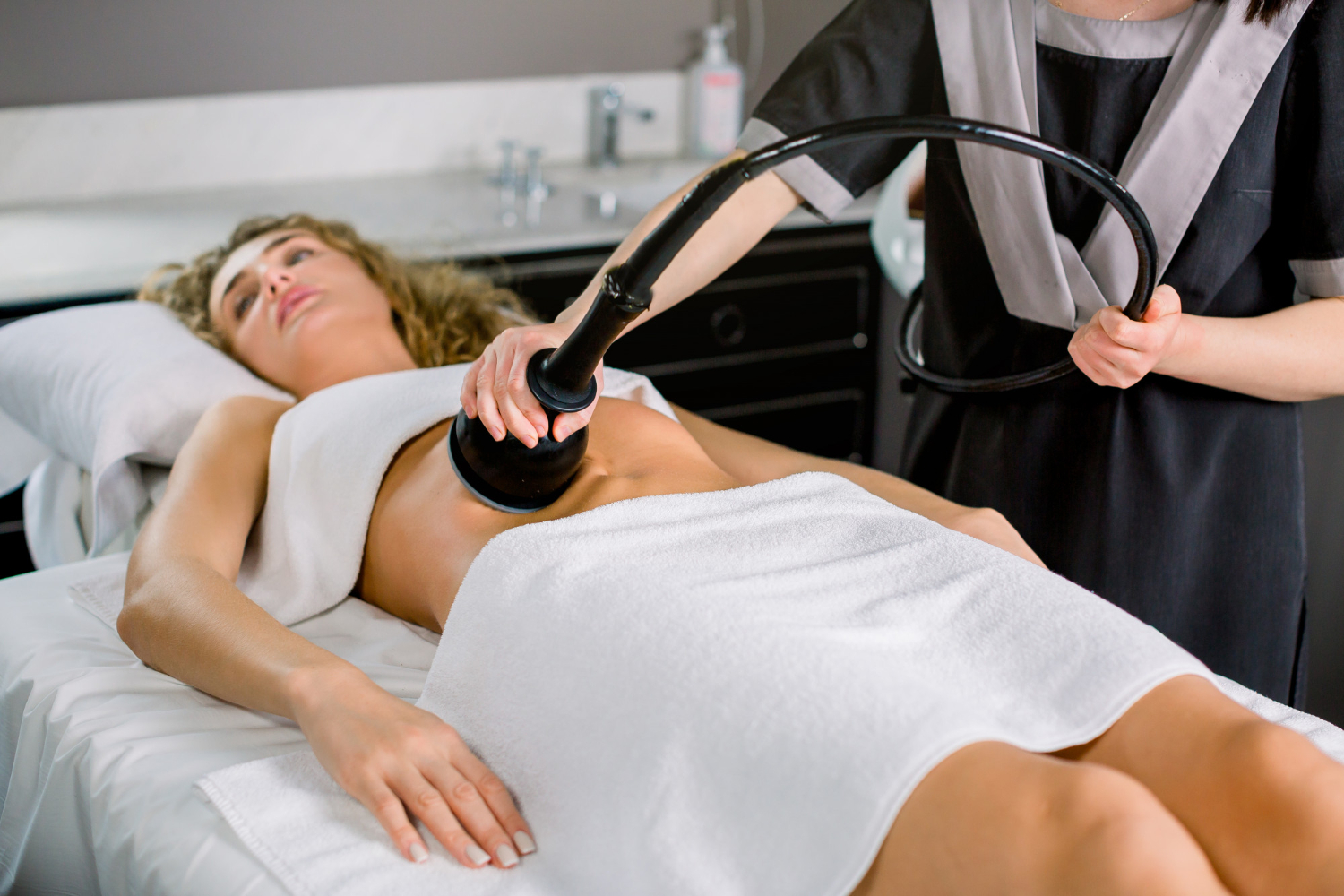
A fat burning laser session is a popular option for those looking to slim down areas of stubborn fat without surgery. It’s non-invasive, doesn’t require downtime, and most people are able to go about their day shortly after. Even though the treatment is considered safe, it’s not unusual to notice some changes in your skin following a session.
These reactions are usually mild and temporary. But if it’s your first time, they can still catch you off guard. If you’re curious about what’s normal and what’s not after a fat burning laser treatment, you’re not alone. This article will walk through common skin responses, how to manage them, and when it’s time to reach out for help.
Common Skin Reactions To Expect
After a session, your body starts adjusting to the treatment. Part of that includes how your skin reacts. While everyone’s experience is a bit different, there are a few things that most people notice in the first day or so.
Here are some of the typical skin responses you might see:
– Mild redness: The skin in treated areas might look a little pink, almost like a light sunburn.
– Light swelling: Some puffiness is normal right after treatment. It often fades away within a few hours.
– Tenderness or sensitivity: The treated area might feel slightly sore to the touch.
– Tingling or itching: You may notice a slight crawling sensation or a faint itch across the skin.
These responses tend to show up quickly, usually within the first few hours. They’re part of how the body processes the treatment and shouldn’t last long. A lot of people describe the skin feeling warm or flushed but not painful. Think of it like how your skin feels after a hot shower or sitting in a sauna—warm, a little extra sensitive, but nothing that stops you from carrying on with your day.
That said, if you wake up the next day and your skin still feels uncomfortable or looks worse than expected, don’t shrug it off. It might just be the way your skin heals, but it could also mean you need to chat with a professional to be sure nothing else is going on. Better safe than sorry when it comes to your skin.
Immediate Aftercare Tips
So, you’ve had your fat burning laser session and now your skin’s feeling a little off—what do you do next? Acting early can help your skin bounce back faster and feel better during recovery. A few simple steps in the first 24 to 48 hours can make a big difference.
Doing the following can help calm your skin:
1. Use a cold compress: Placing a cool, damp cloth gently over the area can ease warmth or swelling. Just be sure not to apply any ice directly to your skin.
2. Keep your skin hydrated: Stick to gentle moisturizers without any added fragrances or harsh chemicals. Look for products labeled soothing or calming.
3. Avoid direct sunlight: Treated skin is more sensitive to heat and UV exposure. Stay in the shade or wear a soft, breathable cover-up.
4. Don’t scratch or rub: Even if the area feels itchy, try not to touch or scratch it. That can make things worse or slow healing.
5. Hold off on hot showers or workouts: Let your skin cool down naturally instead of exposing it to heat or sweat right after the session.
These steps aren’t complicated, but they can spare you a lot of trouble later on. Take that extra care during the first few days and your skin will thank you for it.
When To Seek Professional Advice
Most skin reactions after a fat burning laser session are temporary and go away on their own. Still, it’s smart to keep an eye on how your body is responding. If something feels unusual or lasts longer than it should, it’s time to speak up. Trust your instincts—your body knows when something’s not right.
Watch out for these warning signs:
– Redness that gets darker or spreads quickly
– Swelling that doesn’t go away after a few days
– Blistering, peeling skin, or open sores
– Pain that isn’t easing up or feels sharp and constant
– Any sign of infection like pus, heat, or fever
If you notice any of the above, don’t wait it out. Call your treatment provider and explain what’s going on. They’ll walk you through what to do and help figure out whether you need a follow-up visit. Sometimes, all your skin needs is a little extra attention or a simple product switch.
Waiting too long can turn a manageable side effect into something a bit more frustrating. One client thought an itchy patch was just part of the process, but after ignoring it for several days, it became inflamed. Once she reached out, it turned out she had a mild allergic reaction to something she applied after the treatment—not the treatment itself. Clearing things up early could’ve saved her a week of discomfort.
Long-Term Skin Care Tips
Once the redness fades and your skin calms down, how you care for it next matters. Keeping the area healthy helps prevent irritation in the future and supports your results. It doesn’t have to be complicated, but it should be consistent.
Here are a few things to keep in mind moving forward:
– Stick to simple skincare: Pick products that are fragrance-free and don’t contain harsh ingredients.
– Moisturize daily: Hydrated skin heals better and feels more comfortable over time.
– Always apply sunscreen: Even when it’s cloudy, UV exposure can bother post-treatment skin.
– Avoid aggressive exfoliation: Skip scrubs and chemical peels on treated areas for at least a week or longer if your provider says so.
– Stay hydrated: Drinking water regularly helps your skin and body recover more smoothly.
Your skin should begin to feel completely back to baseline after a few days to a week. During that time, don’t rush into anything new—no tanning beds, wax sessions, or harsh cleansers. Let your skin adjust naturally. Taking that little bit of extra care now saves discomfort and frustration down the road.
Understanding Your Body’s Response
Every person’s skin reacts just a little bit differently. Some people notice a slight tingle and then feel fine a few hours later. Others might see redness linger for a full day before it clears. That’s completely normal. Your lifestyle, skin type, and even stress levels can all affect how your body handles and recovers from a fat burning laser session.
Try not to compare your experience to someone else’s. If your friend bounced back faster, it doesn’t mean something’s wrong with your skin. It just means your body works at its own pace. Give it the time it needs to adjust and repair.
Being mindful of how your skin feels—and not just looks—can guide you through the healing process more smoothly. Pay attention to things like warmth, tightness, or irritation. They don’t always show up on the surface but are good signals for when to rest, cool things down, or reach out for advice.
Let Your Skin Lead The Way
Your body has a way of letting you know what it needs. Whether it’s a cool compress, a break from the sun, or just a quieter day, following those signals goes a long way in keeping your skin comfortable after a fat burning laser session.
Healing doesn’t happen instantly, and that’s okay. Let your skin react, rest, and repair in its own time. Most reactions are signs that the process is working, not that something’s wrong. But staying alert and treating your skin gently will help you get the most out of your treatment.
If you ever feel unsure or your skin doesn’t feel quite right, don’t wait. Reach out for help so small issues don’t get bigger. Your comfort matters, and proper care ensures lasting results you can feel good about.
If you’re looking for a gentle way to support your fat loss journey without surgery or downtime, a fat burning laser session could be the right fit. At Emerald, we focus on treatments that work with your body to help you feel more confident and comfortable in your skin.
Not Sure Which Option Is Right for You?
A consultation with a trained provider can help you understand your options and create a plan that aligns with your goals.