
June 26, 2026
Weight Loss vs. Body Contouring: Where GLP-1 Fits
By April Khan, PhD, DHlc
Traditional weight loss methods usually focus on 150 minutes of weekly exercise, a low-fat diet, and maintaining a caloric deficit. However, they don’t always produce results, leaving many people feeling that weight loss is unattainable.
This is where GLP-1s (glucagon-like peptide-1 receptor agonists) come in. They help people break through weight-loss plateaus, making it easier to reach their target weight and stay on track. GLP-1s complement traditional weight loss by addressing some of the biological hurdles that diet and exercise alone can’t always overcome.
Body contouring, on the other hand, works differently. Instead of helping you lose pounds, body sculpting reduces inches and reshapes your physique, targeting stubborn areas that weight loss alone may not affect.
For those wondering, “What is body contouring?” or “Is body contouring weight loss?”, this guide will clarify the differences between them. You’ll learn when to consider weight loss vs. body contouring, how GLP-1s fit into the picture, and how these approaches can complement each other. To fully understand each option, it’s helpful to first have a clear grasp of weight loss fundamentals.
What Is Weight Loss?
Weight loss is an overall decrease in body mass. This includes the loss of fat, water, and muscle. Weight loss occurs when you burn more calories than you consume or retain, usually through dieting or exercise. A weighing scale is useful in determining how much weight you’ve lost in pounds, but a composition scale can pinpoint the type of weight lost.
For most adults, body fat is correlated with a measure called Body Mass Index (BMI). To obtain your BMI, use an online BMI calculator or ask your doctor. Your BMI helps determine your healthy weight range. A BMI of 18.5–24.9 is considered optimal. People with a BMI above this range are considered overweight and are advised to lose weight to boost their physical fitness and overall well-being.
What Is Body Contouring?
Body contouring is a procedure used to reshape areas of the body. Also called body sculpting, it targets the upper and lower extremities, buttocks, back, abs, and the face. Unlike weight loss, which is measured in pounds, body contouring is measured in inches and visual refinement.
When losing weight, some people find it difficult to shift fat from the abs, thighs, hips, or buttocks. These are areas where fat deposits are more likely to settle and are harder to resolve. Body contouring can eliminate fat from these areas and create a more desired look. People also use body contouring to tighten the skin after significant weight loss or a surgical procedure.
Options for body sculpting include both surgical and non-surgical methods. Typical non-surgical methods (lipolysis) use lasers, extreme cold, or extreme heat to reshape. Surgical options include liposuction and tummy tucks. While both methods produce desirable looks, surgical options reveal quicker results.
Notably, while non-surgical methods like laser body sculpting remove inches from certain areas of the body, body sculpting is not the same as weight loss.
When Is Body Contouring Appropriate?
Most people who elect for body contouring do so to achieve a desired aesthetic, usually as an enhancement, to preserve a more youthful appearance, or to reshape the body after weight loss. Anyone can elect for body contouring, though it is most appropriate when certain areas of the body are out of proportion.
How GLP-1 Fits Into Weight Loss
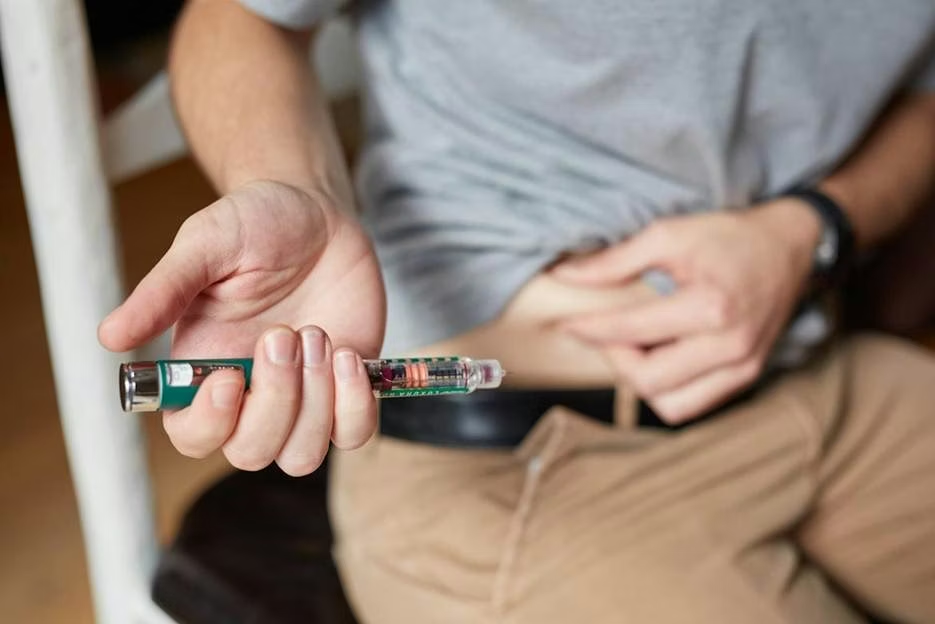
Glucagon-like peptide-1 (GLP-1) agonists are medications that mimic the GLP-1 hormone found in the small intestine. Drugs in this class regulate glucose levels by increasing insulin and reducing glucagon, the hormone that increases glucose. These actions are particularly helpful in treating people with type 2 diabetes. However, this isn’t the only benefit to using a GLP-1.
When it comes to weight loss, GLP-1 medications are very desirable as a non-invasive treatment. This is due to their ability to slow digestion, helping you feel fuller for longer. They also aid weight loss by sending messages to the brain signaling early satiety, so you eat less. The result is systemic fat reduction and overall weight loss.
According to Yale Medicine, the following groups are eligible for GLP-1 treatment:
- adults with a BMI of 30+
- adults with a BMI of 27+ and a weight-related disease such as:
- type-2 diabetes
- high cholesterol
- high blood pressure
- sleep apnea
- heart disease
- a liver disease called metabolic-dysfunction-associated steatohepatitis (MASH)
To date, the only FDA-approved GLP-1 medications are Semaglutide (Wegovy) and Tirzepatide (Zepbound).
Why Weight Loss Doesn’t Always Equal Body Contouring
Weight loss rarely addresses specific shape concerns. You may lose five or more pounds yet still maintain the same overall body contour. This is because weight loss typically includes a combination of water, muscle, and fat (not just fat from targeted areas).
Since fat distribution is largely determined by genetics, you can’t choose where your body loses fat. As a result, stubborn pockets may remain unchanged. That’s why spot reduction through weight loss alone isn’t possible.
What’s the Difference Between Weight Loss and Body Contouring?
Weight loss is about reducing overall body mass to achieve a healthy BMI and decrease the risk of future health problems. Body contouring, on the other hand, reduces areas of unwanted fat or excess skin to achieve a more defined silhouette. It can also achieve spot reduction by permanently removing fat cells in the area.
GLP-1 and Body Contouring: Complementary, Not Competing
GLP-1s and body contouring are both strategies for reducing fat. However, they’re often viewed as competing treatments. In reality, both offer unique benefits that complement one another. This is why many people choose both methods to reach their desired weight and aesthetic.
The following two-phase approach is a typical method for employing both treatment options:
- Phase 1: The medical weight loss phase. During phase 1, patients use GLP-1s to address their metabolic health and overall weight. This includes reducing fat.
- Phase 2: After weight loss comes targeted refinement. Once you reach your desired weight, body contouring can address skin laxity and stubborn fat pockets.
Importance of Weight Stability
Body contouring, unlike weight loss, is permanent. Reaching your desired weight before undergoing body sculpting helps ensure the new sculpted look remains unaltered.
Does GLP-1 Replace Body Contouring?
GLP-1s are excellent at overall body mass reduction, but they cannot “spot” reduce, tighten skin, or shape, though body contouring can. Body contouring picks up where GLP-1s leave off.
Determining Which Approach Is Right for You
If you’re having trouble deciding between using a GLP-1 and body sculpting, consider the following factors.
Use a GLP-1 if you need to:
- Treat diabetes
- Lose overall body mass
- Reduce constant food cravings
- Feel fuller for longer after eating
- Reduce obesity-related health risks
Use body sculpting to:
- Reduce fat in certain areas
- Remove fat cells permanently
- Tighten the skin after weight loss
Use both if you want to:
- Sculpt a specific area after using a GLP-1
- Manage loose skin after GLP-1-related weight loss
Losing weight, especially an excessive amount, can result in a permanently altered appearance. For some people, this can include several inches of loose, sagging skin and stubborn pockets of fat in multiple areas. Many patients are bothered by these changes, despite feeling happy about their weight loss. Body contouring not only corrects these unwanted changes but also improves the psychological and social aspects of these patients’ lives.
When to Consider a Consultation
The ideal time to consult with a body sculpting expert is about midway through your weight-loss journey. You don’t have to wait until you reach your weight loss goal to book a consultation. In fact, consulting with someone early on provides you with a road map including treatment options and pricing. The consultant might also monitor changes in your skin elasticity and muscle tone, providing more appropriate treatment options along the way.
Ultimately, if you notice sagging skin or stubborn fat pockets at any point in your weight loss journey, it’s definitely time to book an appointment.
Bio:
April Khan, PhD, DHlc, is an accomplished medical, lifestyle, and business writer with more than 20 years of experience. With over 4,000 articles published by prominent organizations including AOL, Gartner, and Healthline, she bridges the gap between complex data and consumer health. As a board-certified wellness practitioner and lifestyle educator, Dr. Khan is dedicated to health equity and creating digital content that sparks change.
Not Sure Which Option Is Right for You?
A consultation with a trained provider can help you understand your options and create a plan that aligns with your goals.