
June 26, 2026
What is Liposuction & What Do You Really Need to Know?
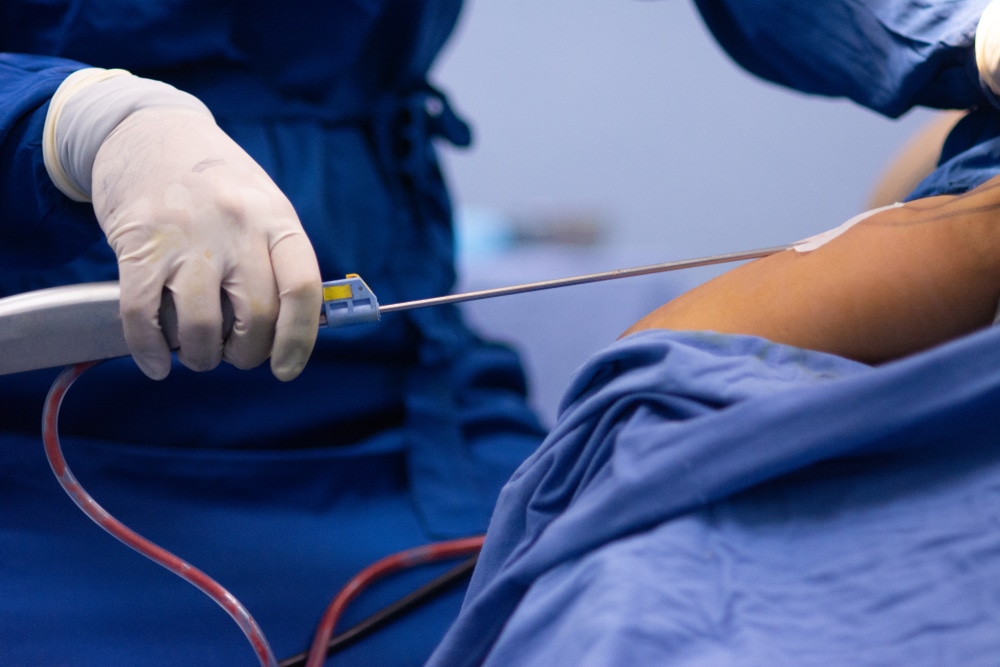
You may be wondering what liposuction is and how you might benefit from this procedure. You may also be wondering what the potential adverse outcomes of such a procedure might be, as well as what the costs, associated effects, and potential positive outcomes are. As with any surgical procedure, there are many questions associated with evaluating a person’s suitability for such a procedure, and there are many considerations to take when deciding if this route is right for you. Additionally, you should evaluate alternative therapies and their viability for your needs.
What is Liposuction?
Liposuction is a surgical procedure by which adipose tissue (body fat) is physically sucked out of the body and removed. This procedure is performed under general, regional, or local anesthesia, depending on a variety of factors. There are two types of liposuction: cosmetic liposuction and medically necessary liposuction. Liposuction can be medically necessary in order to drain lipomas, treat conditions such as lymphedema, and to treat lipedema. However, this type of liposuction is far rarer than the other cosmetic type. The majority of liposuctions are to improve the aesthetic appeal of a person’s body, and it is this type of liposuction that we will focus on in this article.
In liposuction, the fat is sucked out of the body by negative pressure and permanently removed. Many individuals use this as an easy way to lose body fat and improve their appearance. There are several different ways to perform the procedure, but, in general, a cannula is introduced to a fat deposit in the body, and that cannula is attached to an aspirator that applies negative pressure through the cannula. This is moved around the fat deposit, and the fat is sucked through the cannula and into the aspirator by the use of negative pressure, permanently removing the fat from the body. Whether your liposuction is performed under local or general anesthesia is generally determined by the volume of fat being removed.
Liposuction is considered a very safe surgery, and thousands of procedures are performed yearly in the United States alone. There are certain complications that can occur with liposuction, just like with any surgical procedure. However, liposuction is generally considered very safe by the American Society of Plastic Surgeons (ASPS). Having said this, some 4,500 deaths occur associated with liposuction each year.
What Are the Intended Effects of Liposuction?
The primary intended effect of liposuction is a reduction in body fat in the treated areas. This also typically results in a significant reduction in the overall weight of the patient. The maximum amount of body fat approved by the FDA to be removed during a liposuction procedure is 11 pounds of body fat. It is recommended that liposuction results be judged based on appearance, the fit of clothes after the procedure, and other subjective means.
Is Liposuction Permanent?
Liposuction is primarily a body contouring procedure, not a weight loss solution. For this reason, the benefits of liposuction are generally temporary, particularly if no changes in diet or exercise habits after the procedure are observed. If there are no behavioral changes to match the surgical changes, then liposuction results typically wear off, and the body fat lost returns after a few months. Additionally, liposuction does not help obesity-related metabolic disorders, such as insulin resistance. These problems will frequently persist even after the liposuction procedure. For all of these reasons, it is best to think of liposuction as a form of body contouring rather than a form of weight loss in theory as well as in practice in order to avoid disappointment in the results of the procedure. A more permanent change in body fat levels typically requires behavioral changes on the part of the patient.
What Are the Negative Potential Side Effects of Liposuction?
The negative potential side effects of liposuction are several, and they can be exacerbated by certain prior health circumstances. Just like any surgical procedure, liposuction carries with it the risk of post-operative infection, which can be minor or quite severe in nature. Additionally, deformities in the body at the site of the liposuction can occur in as many as 20% of patients. Bruising and pain can be temporary results of the liposuction procedure, although the pain may become chronic as well in some cases. Embolisms may occur when pieces of fat enter the bloodstream during or after the surgery. These embolisms can affect the lungs, the brain, or another part of the body and are extremely serious. Fat emboli can cause permanent disability or even death.
Liposuction patients may additionally be affected by post-op fluid imbalances, resulting in fluid collecting in the lungs, heart problems, or kidney problems. There is a risk of toxicity from the anesthesia, specifically the use of lidocaine, which has been linked to several deaths in the case of liposuction procedures. Ultrasound-assisted liposuction can cause burns if the ultrasound probe becomes too hot. Serious complications that can result from liposuction include deep vein thrombosis, organ perforation during the surgery, bleeding, and infection. These are risks that everyone having liposuction surgery undergoes in some capacity, although your personal risk profile for each of these complications is individual and depends on a variety of factors.
Who Should Get Liposuction?
Liposuction is a body contour procedure primarily, so anyone seeking body contouring services that is willing to undergo a surgical procedure should consider liposuction as a potential option. Those seeking to improve the aesthetic appeal of their body through liposuction, however, should also consider alternative non-surgical body contour procedures.
Alternatives to Liposuction
There are a number of alternatives to liposuction in the body contour field, all of which are non-surgical in nature and which consequently carry less risk than liposuction. Out of all of these procedures, we most recommend laser lipolysis due to the excellent results and comparative lack of side effects it carries. However, we have included several alternative options for you to research and ultimately make a decision concerning.
Radiofrequency Lipolysis
This cosmetic procedure involves the use of radio waves to heat fat deposits in the body until they are destroyed. The process is similar to other types of cosmetic procedures in that the patient is prepared, and the area to be treated is marked off. Then with the application of a device one centimeter from the body, radio waves are fired into the fat deposit. The radio waves pass through the skin harmlessly and then heat up the fat inside the body, eventually killing the fat cells in the treated area. This is a permanent fat loss solution, as the fat cells are dead and gone afterward. Typically, a cooling device is utilized at the same time to keep the skin at a comfortable temperature during the procedure. This procedure is relatively side effect free, with the most common side effects being redness and heating in the affected area, as well as some tissue tenderness.
Cryolipolysis
In this procedure, freezing cold temperatures are used to destroy fat cells while leaving the skin cells intact. This is done by clamping the part of the body chosen for this localized effect with the medical device, which is then cooled to very cold temperatures, thereby killing the fat cells in the area. Patients may experience some discomfort when exposed to the freezing temperatures, although this abates relatively quickly. This type of body sculpting is meant to create localized changes to body fat levels around the chosen area for the sake of aesthetic improvement. There are, however, known side effects to this treatment. For example, paradoxical adipose hyperplasia is a potential side effect of cryolipolysis that results in the number of fat cells in the area treated multiplying rather than receding. For this reason, this method is not as foolproof as some of the alternative methods, such as laser lipolysis.
Laser Lipolysis
This procedure, also referred to as “laser lipo,” involves the application of a low-intensity laser to the fat areas you wish to lose. Lasers can generate singular-directional light and heat to a minimal area. With laser lipo, the technician will target the cell with the laser. The laser penetrates the skin, reaches the targeted fat cells, and bores a tiny pore into the cellular membrane. In addition to creating the small hole, the laser emulsifies (melts) the lipids inside the cell, which allows them to seep through the pore.
The body’s lymphatic system then naturally disposes of the lipids. Emerald Laser by Erchonia works differently from other laser lipolysis methods. Emerald’s system uses ten 532 nanometer lasers to target fat cells. While the system allows the cells to drain, they remain intact. Other laser systems destroy the fat cells, which can lead to fatty deposits developing in other areas of the body.
Additionally, Emerald Laser is relatively painless when compared to other laser systems. Most patients don’t feel anything at all. Laser lipolysis is a minimally invasive weight loss method that targets body fat exclusively. It is innovative and relatively new. Laser lipolysis by Emerald Laser is the first FDA-approved laser lipolysis process.
Frequently Asked Questions About Liposuction
Here we will go over some of the most commonly asked questions about the liposuction procedure, its risks, benefits, and overall viability as a body contouring procedure.
The Risks of Complications WIth Liposuction Are Small, Right?
This depends entirely on which complications you are talking about. Some are more common than others, and some are extremely rare. Having said this, there is always a risk that any of the listed complications could occur, so you must factor that into your risk assessment when evaluating your suitability for the procedure.
Liposuction is More Effective for Major Fat Loss Than Other Body Sculpting Methods, Right?
No! Liposuction is limited by the FDA approval on how much fat can be removed during the procedure. The FDA has approved liposuction of up to 11 pounds of fat per procedure. These results or considerably more fat loss are possible with laser lipolysis, for example. The important thing is to make sure that you change your diet and exercise habits after whatever procedure you get to make sure the results are permanent.
Why Isn’t Liposuction Permanent?
Liposuction isn’t permanent because, although the fat removed is permanently gone, if you continue in the dietary and exercise habits that led to the accumulation of the body fat in the first place, you will simply gain it back. This is true for all body contour methods of fat loss. Permanent behavioral change is necessary to make sure that the changes from the procedure last.
I’m Scared of General Anesthesia. Can I Still Get Liposuction?
You can still get liposuction under regional or local anesthesia. However, the amount of body fat that can be removed during the procedure without general anesthesia is limited, so you will be settling for less overall fat loss if you opt to avoid general anesthesia.
How Does Liposuction Compare to Other Body Contouring Procedures?
Liposuction is the last body contouring method we would recommend, as it carries with it the risks inherent in any surgical procedure, which are not present with non-surgical body contouring methods. In terms of the total amount of fat lost, alternative methods, such as laser lipolysis, can exceed the total fat loss achieved by liposuction significantly. Liposuction, quite simply, is not the best option available, though it may be right for some.
How Can I Maintain the Results of My Liposuction Procedure?
The best way to maintain the results of a liposuction procedure is to change your dietary and exercise habits to match your body after the fat loss occurs. This means eating at weight maintenance calories. There are many free online calculators in which you simply have to enter your height, weight, and activity level, and they will tell you what your weight maintenance calories are. Stick to that amount of calories every day, and you should have no problem maintaining your post-op weight.